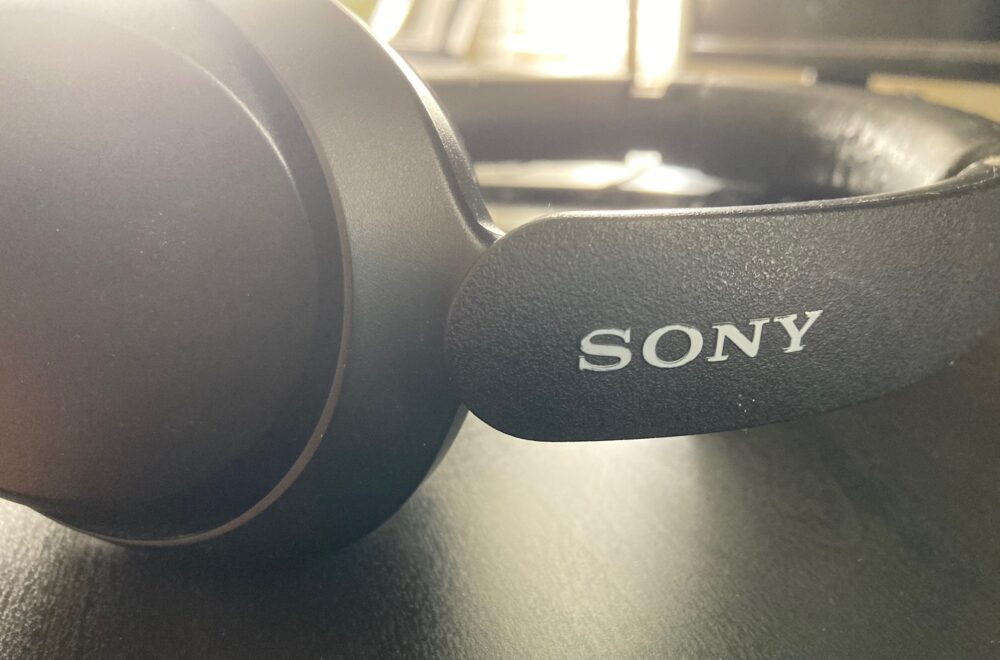

California consumers will pay a point-of-sale recycling fee on an estimated 27,000 new device models with hard-to-remove batteries beginning next month, and electronics recycling companies will soon be able to seek reimbursement for processing those devices.
Senate Bill 1215, approved by California state lawmakers in 2022, brings “battery-embedded” devices into the state’s long-running electronics recycling program, which collects a point-of-sale fee and uses that money to pay recycling companies that process covered materials.
Manufacturers earlier this year began reporting the devices they believe fall under this category, and consumers will see the first point-of-sale fees on these devices starting Jan. 1, 2026. Electronics recycling companies can begin submitting claims to the California Department of Resources Recycling and Recovery (CalRecycle) beginning April 1, 2026, for any devices collected after Jan. 1.
In September, state regulators set the point of sale fee – known as the Covered Battery-Embedded Waste Recycling Fee – at 1.5% of the device’s retail price, not to exceed $15. California regulators on Dec. 11 approved final regulations for adding battery-embedded devices into the program.
In the final regulations and in a question-and-answer document published last month, CalRecycle provided details about how electronics recycling companies will be reimbursed for processing battery-embedded devices.
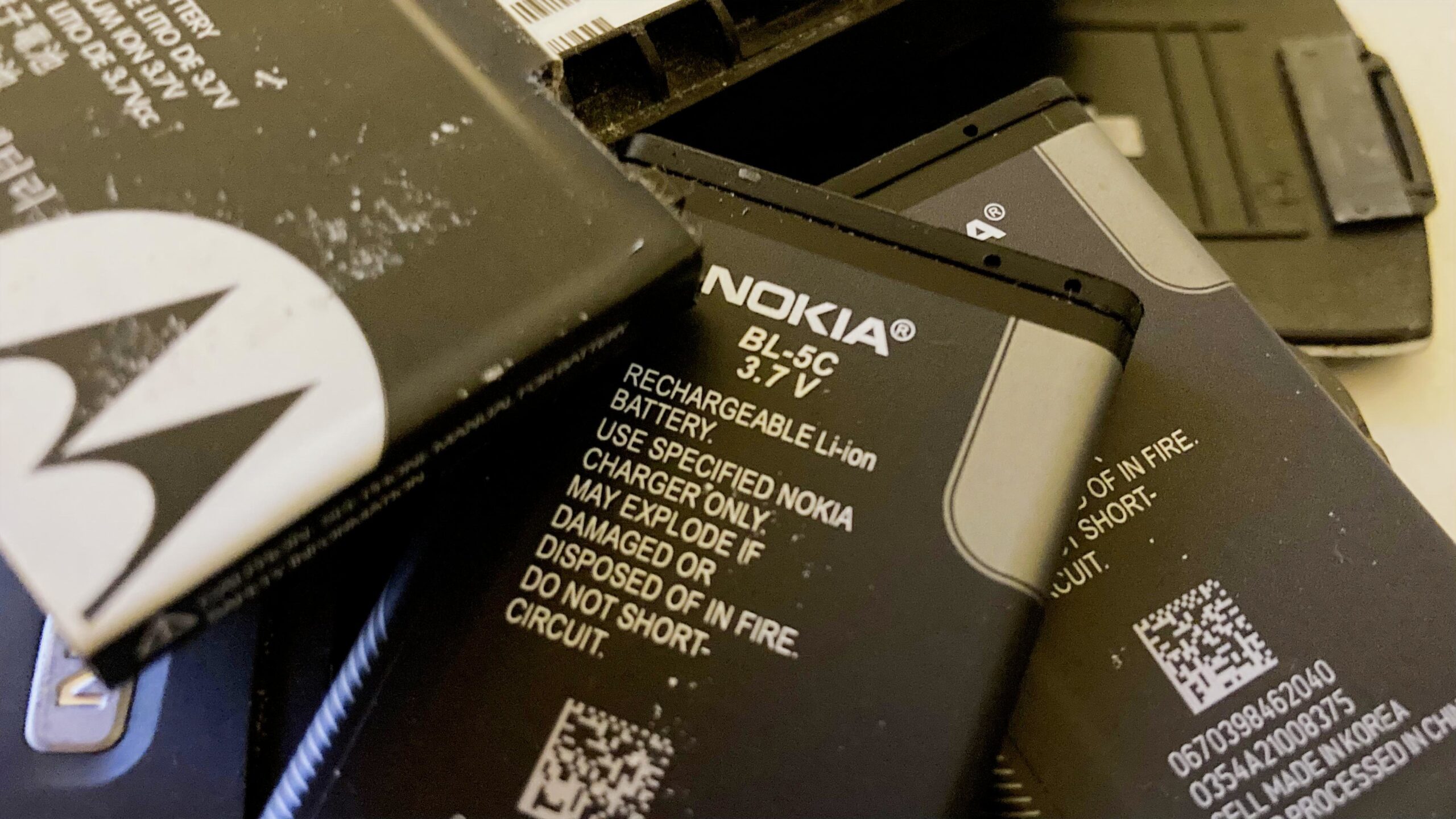
The processor will need to remove the embedded battery from the device, “ensuring the casing of each individual battery cell is not breached and the casing remains intact and closed.” Then, the processor must sort removed batteries by battery chemistry. Any type of lithium battery must be “stored and handled in a manner that ensures individual battery terminals remain separated with terminal protection, such as non-conductive tape or individual bags, in order to reduce the risk of thermal events.”
Once batteries are removed in that manner, the processor can submit a claim for reimbursement. CalRecycle set the 2026 standard rate for covered battery-embedded products at $1.15 per pound. That’s slightly lower than the reimbursement rate for cathode ray tube (CRT) devices ($1.19 per pound in 2026) and all other non-CRT covered devices ($1.16 per pound in 2026).
CalRecycle noted that unlike the process for CRT reimbursement, processors do not have to ship batteries out of their facilities before submitting a claim for reimbursement.
Manufacturers last summer reported which of their device models they believe constitute battery-embedded products. CalRecycle recently published a full list – totaling more than 27,000 individual product models – and published a higher-level summary. The agency noted the list is not exhaustive, and that the state has not verified its accuracy, so some listed devices may not actually be covered, and other covered devices may not be listed.
Still, the list indicates the general scope of new devices eligible for reimbursement. It includes products in categories such as appliances, audio/visual equipment, automotive parts, aviation parts, bicycle parts, camping equipment, charging devices, computer peripherals, drawing and writing devices, e-readers, exercise equipment, firefighting equipment, gaming devices, GPS devices, assorted household items, janitorial supplies, kitchen devices, various lights, some medical devices, motorcycle parts, musical instruments, office equipment, personal audio devices, personal care devices, personal protective equipment, pet accessories, phones, radio control devices such as drones, remote controls, self defense products such as tasers, smart home devices, speakers, sports equipment, tools, trucking equipment, video equipment, virtual reality devices, watches and other wearable tech.