
Shipping giant Hapag-Lloyd has filed legal action against a Missouri scrap electronics exporter, alleging the company mischaracterized the materials it was exporting and concealed lithium-ion batteries in exported loads. The situation came to light after a shipping container caught fire last month.
Hapag-Lloyd on Dec. 2 filed the civil suit against Arch Recycling Resources, a Missouri-based scrap metal and electronics broker. The case was filed in U.S. District Court for the Central District of California, and Hapag-Lloyd filed it as an admiralty case using elements of maritime law.
According to the complaint, Arch in late October arranged for Hapag-Lloyd to transport two container shipments from Saint Louis to New York, and then from New York to Manzanillo, Mexico. Arch declared the cargo as “mix aluminum scrap,” according to the complaint. Hapag-Lloyd issued bills of lading for the two containers, indicating they contained packages of mixed aluminum scrap.
A week later, on Nov. 5, both containers caught fire after an explosion aboard the Laust Maersk container ship, according to the complaint. The vessel’s crew extinguished the fire before any injuries could occur, the lawsuit adds. The fire was briefly noted in maritime trade publications.

After the fire, containers damaged in the blaze were discharged in Charleston, S.C., where they were inspected in coordination with federal officials from the U.S. Coast Guard and Customs and Border Protection.
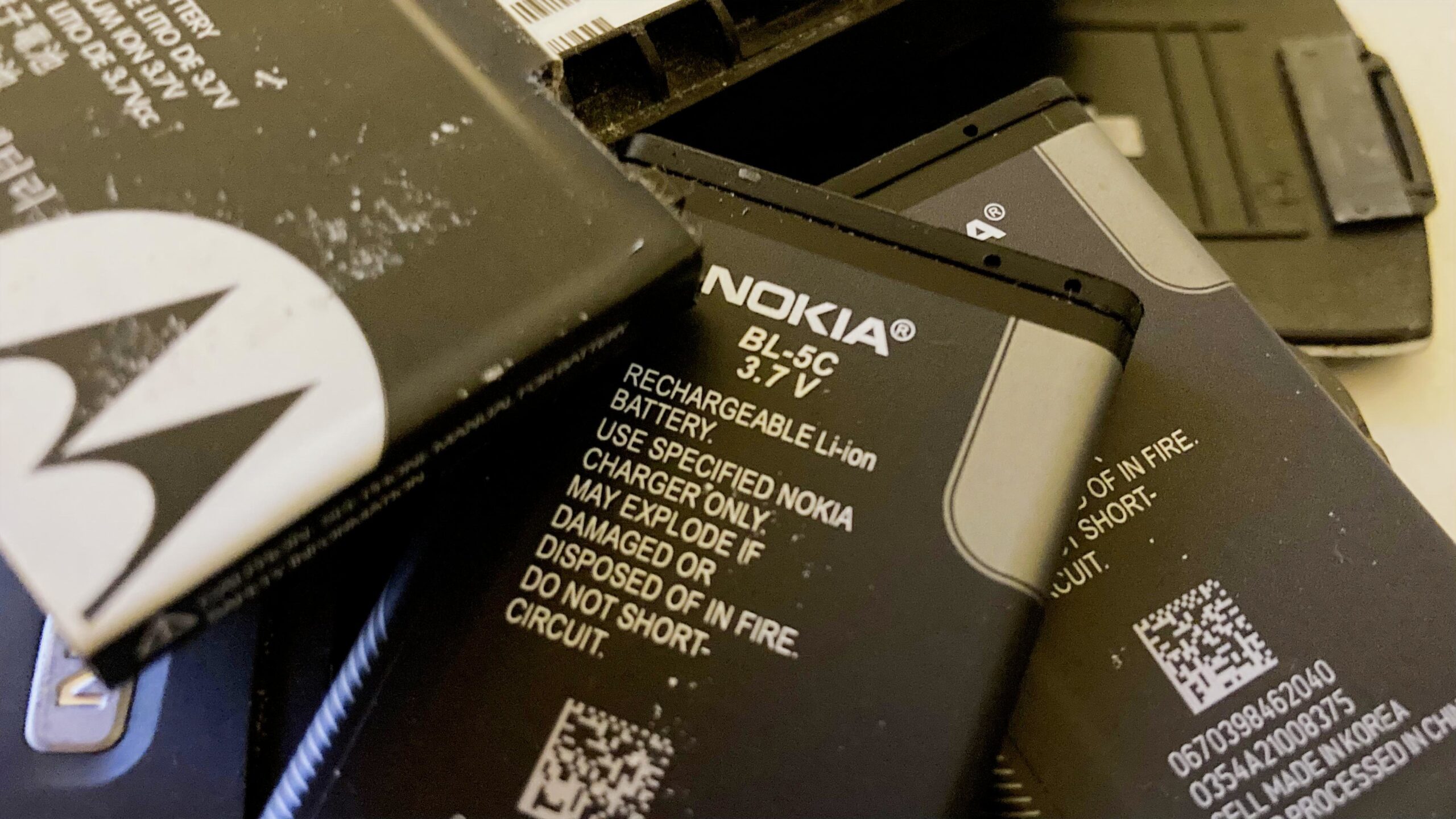
These inspections “confirmed the presence of lithium-ion batteries” in both of the shipping containers that had been declared as mixed aluminum scrap, the complaint states. It adds that the specific cause of the fire remains under investigation, but that preliminary inspections suggest the explosion and fire “likely originated” from one of those containers.
The batteries were not the only surprise inside the containers, according to the complaint.
“In addition to batteries of various shapes, sizes, and weights, these containers were loaded with pallets of various office equipment such as printers, scanners, and copiers,” it alleges. “The batteries were concealed, or secreted, in the middle of the container behind the pallets of other cargo. In any event, cargo inside the container did not match the cargo description of ‘aluminum scrap,’ as declared by Arch.”
Those two containers remain at the port in South Carolina, and Hapag-Lloyd noted that “at some point, Hapag as the ocean carrier may be compelled to take necessary remedial action, including the environmentally-compliant recycling and/of disposal of the Class 9 hazardous batteries and other cargo.”
Hapag-Lloyd contacted prominent battery recycling company Redwood Materials for a quote, and received an estimate of $880,000 to process the batteries in the two shipping containers.
Additionally, after the fire, Hapag-Lloyd began investigating other shipments Arch had booked with the ocean carrier. In particular, the company focused in on nine Arch-originated containers that were awaiting export from Elizabeth, N.J., but had yet to be loaded onto vessels.
According to the complaint, Arch declared six of those additional containers to contain “used PC parts and related accessories.” When Hapag-Lloyd on Nov. 14 arranged inspection of these containers in conjunction with the U.S. Coast Guard, it found all six containers held undeclared lithium-ion batteries, according to the filing.
The Coast Guard detained those six containers, the complaint states, until the contents are properly handled and prepared for transport. Hapag-Lloyd estimates the cost to properly recycle or dispose of these batteries could total $2.64 million.
Additionally, there are three more containers at the New Jersey port that had yet to be inspected at the time of the complaint.
Hapag-Lloyd says Arch has not responded to communications about the situation. Arch has until late this month to file a response in court, according to court records. The Recycling Chronicle contacted Arch for comment via email but has not heard back.
The lawsuit claims the alleged actions amount to a breach of maritime contract, liability under the Carriage of Goods by Sea Act, and negligence under general maritime law.
Hapag-Lloyd made a claim for “maritime attachment and garnishment” for damages of $3.87 million. The claim was filed in the U.S. District Court for the Central District of California, in part because Hapag-Lloyd has not been able to contact Arch but believes the company maintains a Los Angeles bank account.
According to law firm Montgomery McCracken Walker & Rhoads, maritime attachments are “very useful tools” for claimants in maritime disputes. If a maritime attachment is approved, bank accounts located within the district the case is filed in can be garnished.
On Dec. 12, U.S. Magistrate Judge Brianna Mircheff found that the conditions for a maritime attachment had been met, and ordered the court clerk to garnish essentially any money coming to Arch within the California district. The order is valid for 120 days. The company can dispute the findings but would need to do so at a hearing within the district.
Records indicate Arch is not certified to the e-Stewards or R2 electronics recycling certification standards.