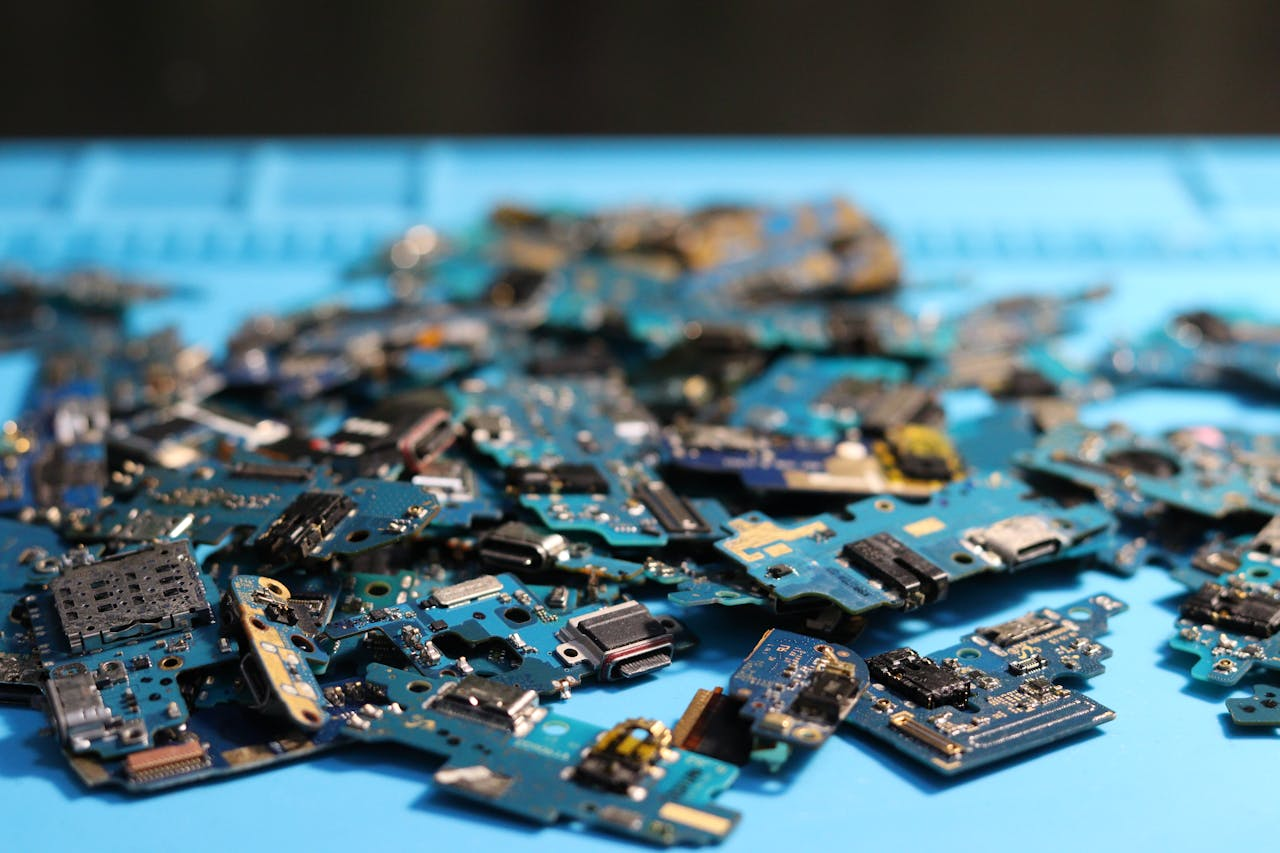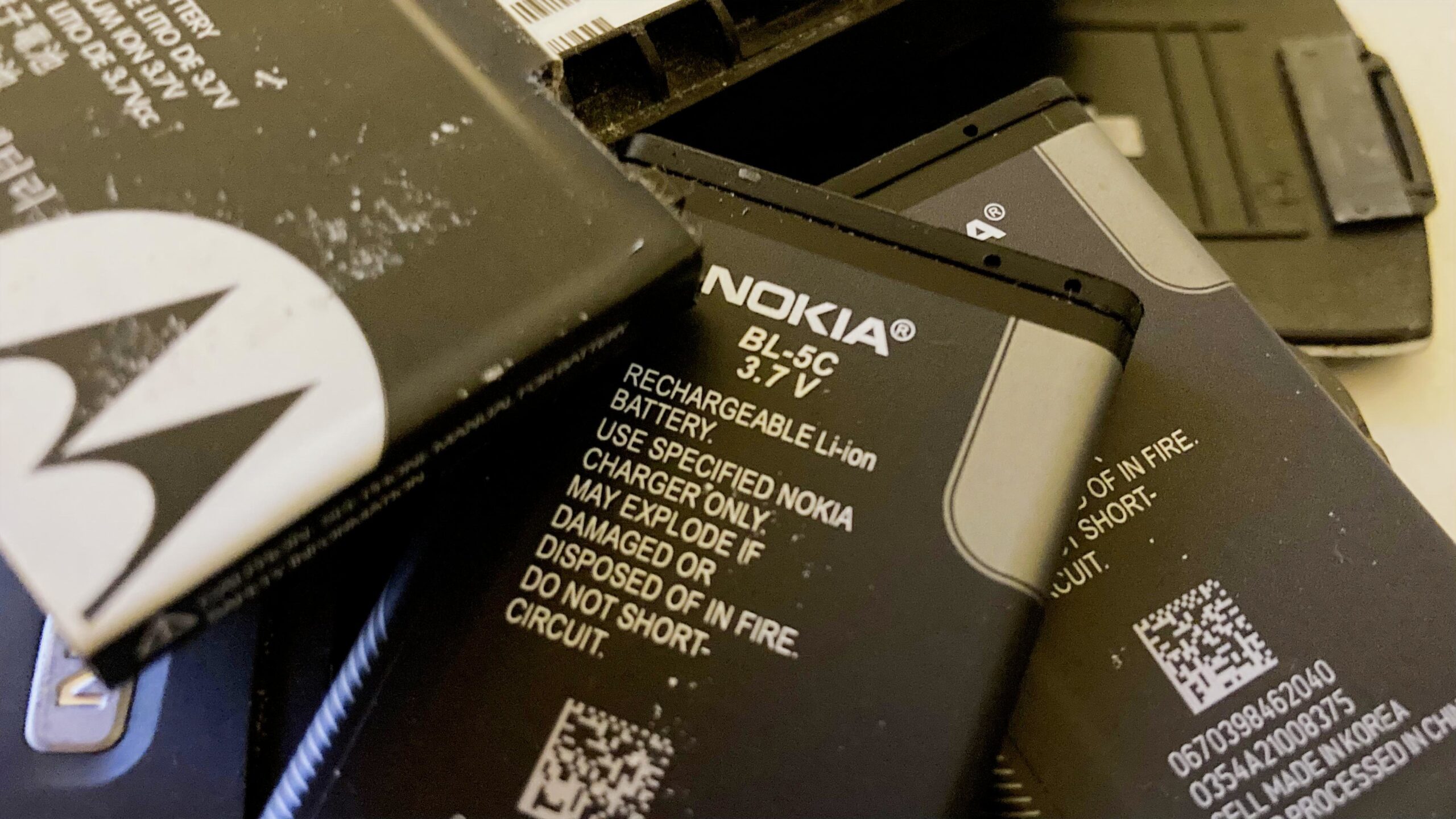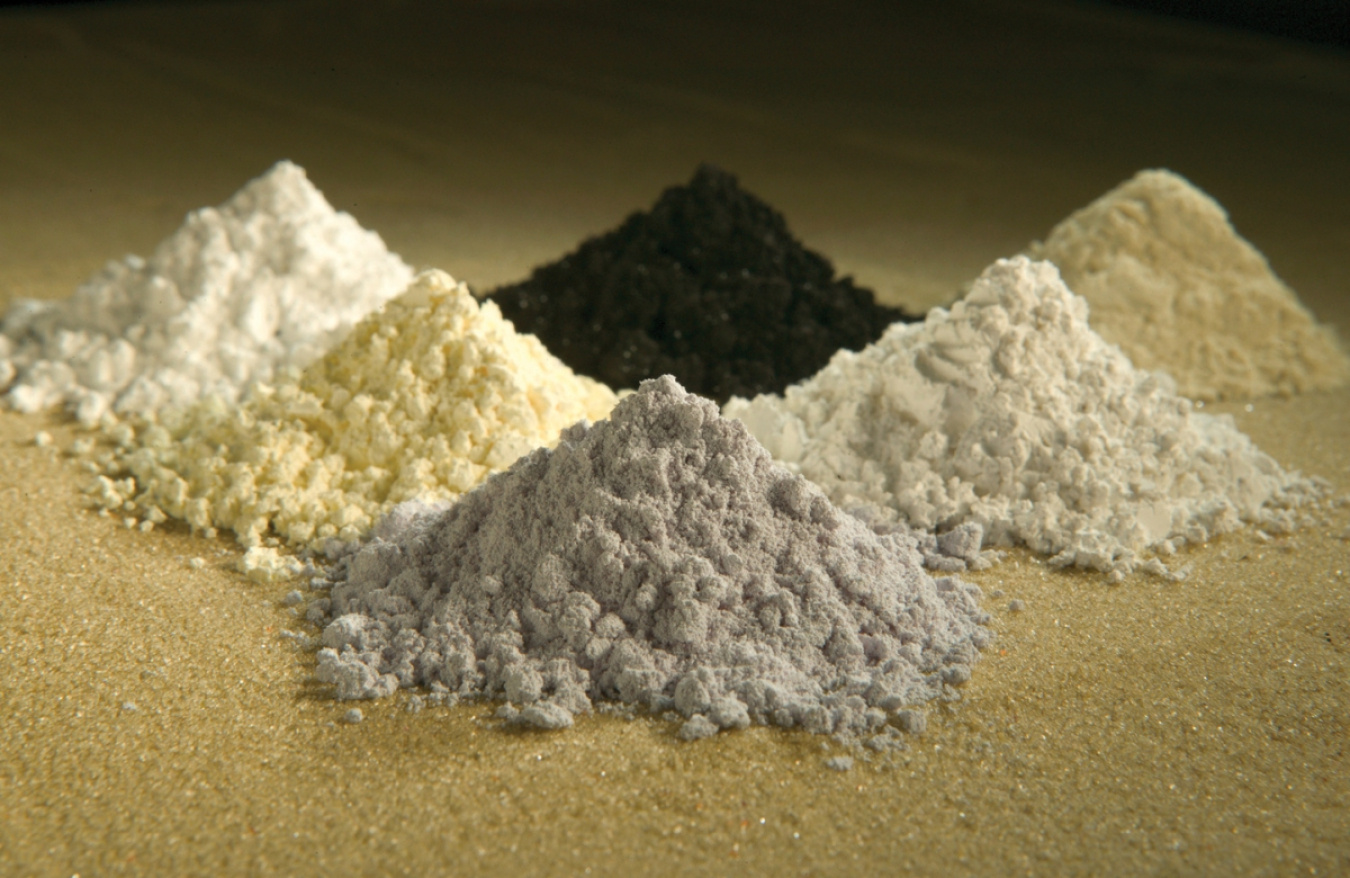

The U.S. Department of Energy is currently accepting applications for up to $136 million in federal funding for projects demonstrating commercial viability of recovering rare earth elements from end-of-life electronics and other material streams. Several prominent companies have expressed interest.
The agency on Dec. 1 announced the funding availability, stating the money is aimed at boosting rare earth recovery “from unconventional feedstocks including mine tailings, e-waste, and other waste materials.” It is aimed at projects that will produce 150 to 1,000 metric tons of rare earth elements each year for domestic use.
The funding is part of DOE’s Office of Manufacturing and Energy Supply Chains Rare Earth Elements Demonstration Facility program. DOE held a Dec. 9 webinar to answer questions about the funding. According to the funding notice, letters of intent are due Dec. 17, full applications are due Jan. 20, and funding will be awarded in April 2026.
The Energy department published a list of “teaming partners” alongside the funding notice, providing a look at the companies and individuals who have expressed interest in the funding.
It includes Sovereign Materials, a Texas-headquartered company that described itself as “a U.S.-based startup specializing in critical material recycling, founded in 2025 to address domestic supply chain vulnerabilities in rare earth elements (REEs).” The company has expertise in hydrometallurgical and chemical separation, it adds, and focuses on “recovering REEs from e-waste, particularly NdFeB magnets, which contain high-value elements like Nd, Pr, Dy, and Tb essential for EVs, wind turbines, and defense systems.”
Sovereign Materials added it is interested in the funding to “establish an integrated U.S. REE demonstration facility from e-waste to refined oxides and metals.” It described plans for a $150 million facility in Kentucky or Tennessee, targeting 10 million pounds of input and 2 million pounds of output oxides by 2030.
The company added it is interested in licensing patented rare earth element separation technology developed at Oak Ridge National Laboratory.
The company offered a look at future plans, stating its participation in the grant program would “accelerate commercialization, create 200+ jobs, and support U.S. critical mineral independence, directly contributing to (Inflation Reduction Act) and (Bipartisan Infrastructure Law) objectives for resilient supply chains.” The company added it is in discussions with the federal government to facilitate access to end-of-life electronics sourced from the U.S. Department of War, “which would give the U.S. a complete American-only supply chain.”
Princeton NuEnergy, a New Jersey-headquarted company, also expressed interest on the list of teaming partners. The company wrote that its plasma technology “focuses on converting waste streams, such as spent lithium-ion batteries, manufacturing scrap and other waste, into high-value resources, thereby helping to mitigate supply-chain vulnerabilities for these essential materials.” The technology “can also be extended to other waste sources, including coal byproducts, to recover rare earth elements (REE),” Princeton wrote.
The list also includes Carbon to Rare Elements, a Massachusetts-headquartered company that wrote it has the “capability to used scaled myco-mining (fungi) to leach REE and precious metals from waste streams, namely, coal fly ash, red mud (gallium), e-waste, mine drainage.”