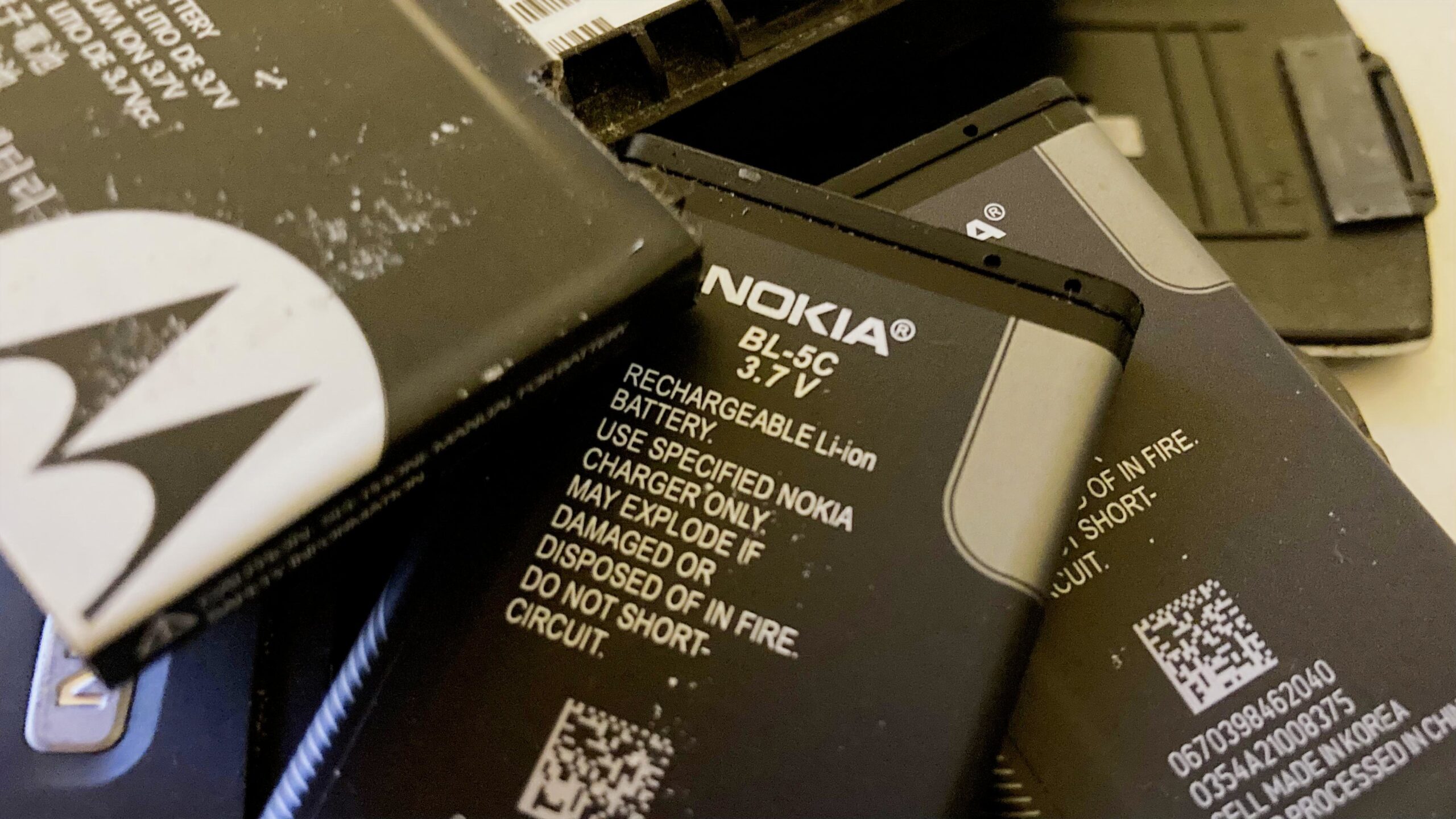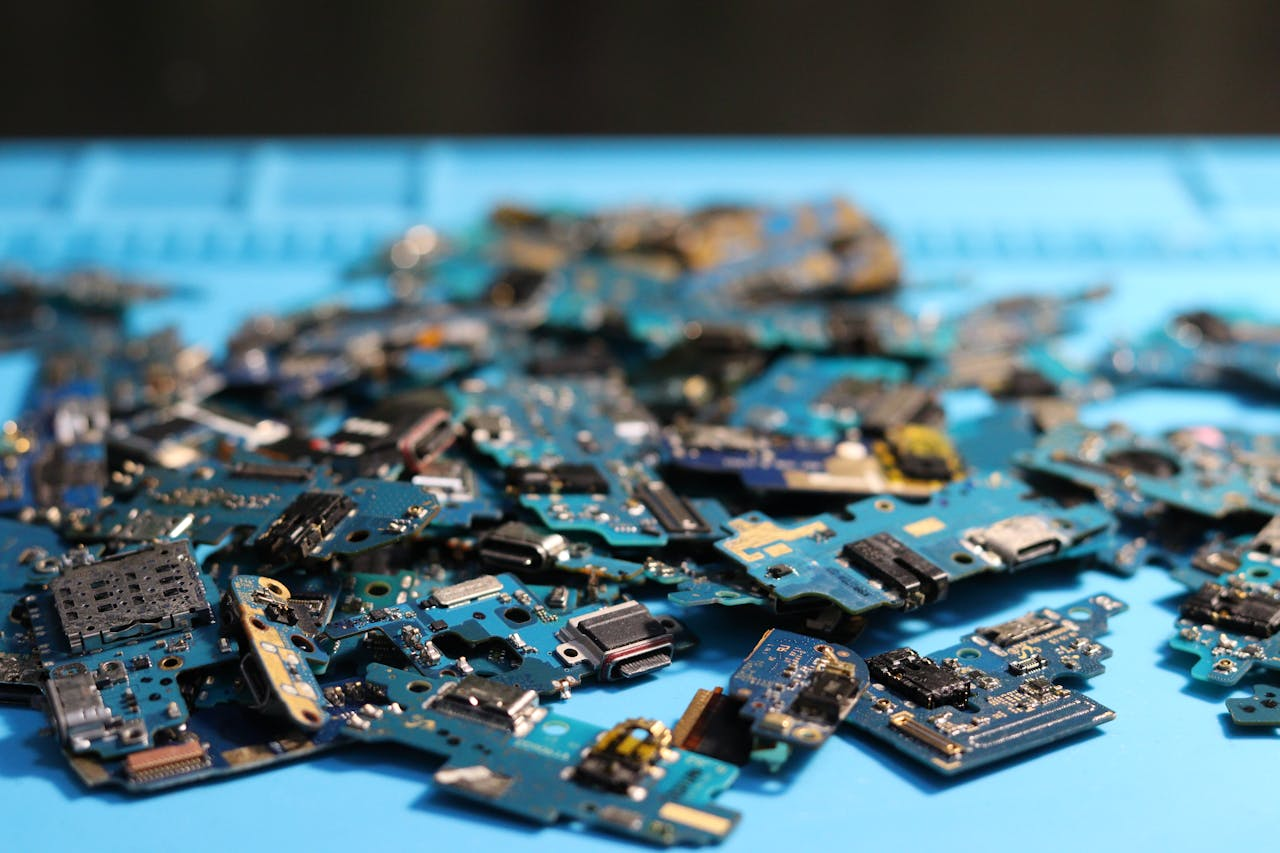

Korea Zinc, the South Korean metals giant that has made a large push into the U.S. electronics recycling industry in recent years, is planning a U.S. smelter that could serve as a domestic outlet for circuit boards and other end-of-life materials.
The Seoul-headquartered company on Dec. 15 announced it is developing a $7.4 billion smelter to be sited in Clarksville, Tennessee. The project involves public and private investment from Korea Zinc, the U.S. Department of War, and the U.S. Department of Commerce.
Slated for a 2029 start-up, the smelter has a projected capacity to process 1.1 million metric tons per year of raw materials, including both virgin and scrap materials. It could mark a major development in U.S. electronics recycling downstream processing capacity. Korea Zinc says the smelter will draw on the technology and operations of the company’s smelter in Onsan, South Korea. That smelter – a substantial downstream outlet for U.S. printed circuit boards and other end-of-life electronics – has “advanced technology to process complex raw materials, such as low-grade concentrates and scrap with high impurity levels,” according to the company.
The Tennessee facility, which will be developed under the name Crucible Metals Holdings, will produce copper, lead, zinc, gold, silver, and a handful of additional critical minerals, Korea Zinc noted.
In addition to its position as a large overseas outlet for U.S. scrap electronics, Korea Zinc has made a significant push into the U.S. electronics recycling sector. The company in 2022 invested in Igneo Technologies, which operates a smelter in France that processes end-of-life electronics and was working to develop a similar plant in the U.S. That investment, which evolved into a full purchase in 2023, brought with it evTerra, a U.S. electronics recycling firm. Korea Zinc brought both companies into a new U.S. subsidiary called PedalPoint, which currently operates six U.S. sites. The company has a combined capacity to process more than 200 million pounds of end-of-life electronics per year.
According to Korea Zinc’s latest sustainability report, the U.S. subsidiaries collect and process end-of-life electronics – and a growing stream of additional materials including solar panels – and do initial processing work in the U.S. The processed materials – circuit boards and crushed solar panel materials, for example – are then shipped to Korea for refining at its Osnan smelter, where they are processed into copper, gold, silver, lead and more.
That shipping practice could change once the new furnace is operational: the Asia Business Daily this week reported that, “once the smelter is operational, raw materials secured by PedalPoint will be supplied directly for smelting, establishing a structure in which both raw material procurement and production are carried out within the United States.”
The Korean furnace processed 446,419 metric tons of secondary raw materials in 2024, a figure that includes circuit boards, other scrap materials, byproducts from mines and smelters, and more. That made up about 21% of the company’s overall raw material input in 2024.
In the Dec. 15 announcement, Korea Zinc described a number of factors contributing to its decision to site the Tennessee facility, including easy access to recycled inputs.
“Establishing a production base in the United States – where investment, regulatory, and policy predictability are high – is expected to effectively transform geopolitical volatility, export restrictions, and logistics disruptions into strategic opportunities,” the company wrote. “In addition, sourcing raw materials and scrap directly from the United States will diversify the global supply chain and enable more flexible corporate responses.“